Engineering Analysis
Key Subsystem Architecture
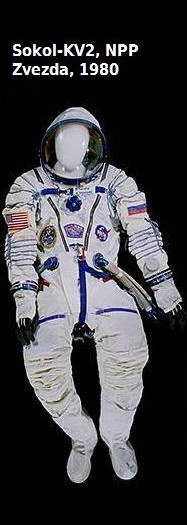
Long-lived Soyuz rescue standard; manufacturing continued into ISS era
Mission Role
Soyuz-T / TM / TMA / MS ISS ferry rescue standard
Limitations & Failures
Difficult donning; poor downward visibility; under-knee discomfort; decades of upgrade latency
Program Lesson
"Keep rescue-suit platforms on a managed block-upgrade path instead of deferring subsystem refresh for decades"
Future Relevance
Still flying today on Soyuz. Long-service record reveals both resilience and the cost of deferred modernisation
Documented Failure Cases
Difficult donning, restricted downward vision, under-knee discomfort, appendix tie-off burden across decades of operations
→ IVA rescue suits fail operationally when crew usability is treated as secondary. Track don/doff time and visibility as design KPIs