Engineering Analysis
Key Subsystem Architecture
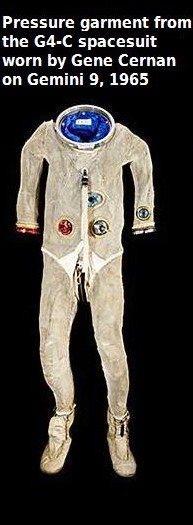
First US EVA configuration; open-loop purge via 25 ft umbilical
Mission Role
First US EVA — Gemini IV 1965
Limitations & Failures
High workload, poor body stabilization, glove effort, very limited productivity
Program Lesson
"Suit performance cannot be separated from translation aids and workload planning"
Future Relevance
Definitive negative lesson in integrated EVA human factors — still cited in modern EVA planning
Documented Failure Cases
First US EVA physically exhausting and low-productivity despite suit functioning; glove productivity inadequate for task completion
→ Suit capability and worksite design must be developed together, not sequentially
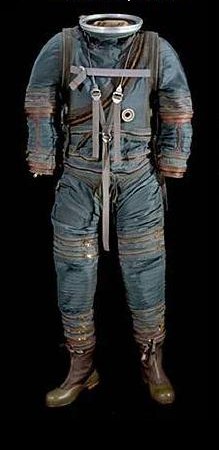
Unexpected arm growth when shoulder restraint cable failed; seized pulley caused overheating in crotch-thigh region
→ Critical restraint paths need redundancy or condition monitoring. Small mechanical hardware in pressure-load paths creates outsized crew risk
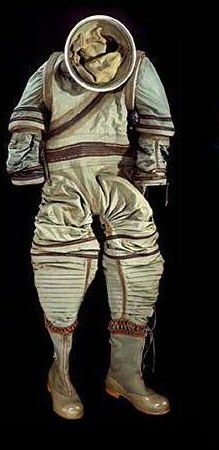
Suit inflation during Leonov's EVA made movement and airlock re-entry critically difficult — Leonov had to partially deflate to re-enter
→ Make ingress/egress and self-rescue a separate verification gate from EVA capability itself
Numbness, bladder bunching, and palm-bar wear-through into hand across multiple crew members
→ Glove verification must include extended-use comfort and injury surveillance, not just pressure integrity and cold-object performance