Engineering Analysis
Key Subsystem Architecture
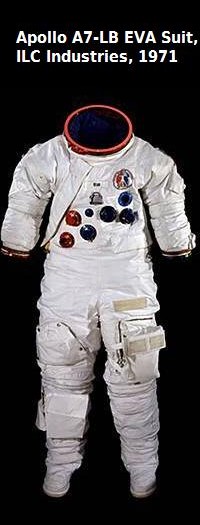
Extended EVA duration; rover compatibility; improved hip/waist mobility for seated rover ops
Mission Role
Apollo 15–17 extended lunar EVA + lunar rover operations; ASTP derivative
Limitations & Failures
Still custom, maintenance-intensive; cable/pulley restraint risks persisted
Program Lesson
"Endurance and traversal demands exposed the need for mobility, dust robustness, and rover integration"
Future Relevance
Strong analog for planetary EVA with surface transportation — directly relevant to Artemis rover plans
Documented Failure Cases
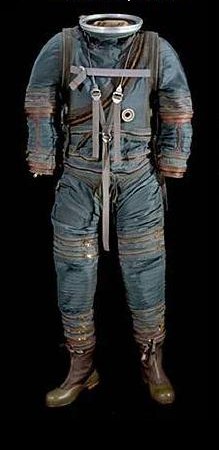
First US EVA physically exhausting and low-productivity despite suit functioning; glove productivity inadequate for task completion
→ Suit capability and worksite design must be developed together, not sequentially
Severe discomfort nicknamed 'crotch cutter' — fit and pressure-load path geometry produced painful localized loading
→ Localized contact loads can kill an otherwise promising concept. Pressure mapping and seat-interface studies are required
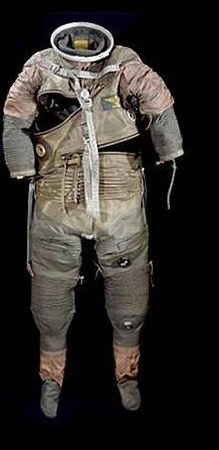
Unexpected arm growth when shoulder restraint cable failed; seized pulley caused overheating in crotch-thigh region
→ Critical restraint paths need redundancy or condition monitoring. Small mechanical hardware in pressure-load paths creates outsized crew risk
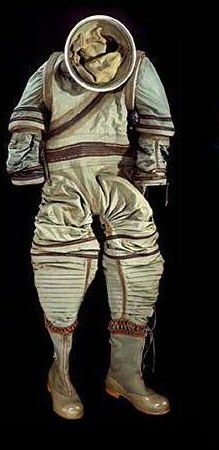
Suit inflation during Leonov's EVA made movement and airlock re-entry critically difficult — Leonov had to partially deflate to re-enter
→ Make ingress/egress and self-rescue a separate verification gate from EVA capability itself
Numbness, bladder bunching, and palm-bar wear-through into hand across multiple crew members
→ Glove verification must include extended-use comfort and injury surveillance, not just pressure integrity and cold-object performance
Water entered Luca Parmitano's helmet during EVA — vision impaired, comms degraded, breathing compromised
→ Cooling-water management is a primary safety-critical function, not a nuisance issue. Contamination tolerance must be designed in from day one